
On 9 September 2026 the website of the Polish Media Association, polskiemedia.org, republished the story under the headline “Poland the World Champion of AI Video. Polish Eagles win the first Machine Cinema GenJam Director’s Cup”. By then the tournament had been followed in the Polish press for more than a month, from the first knockout matches to the closing ceremony in Warsaw.
July: a Polish team in the world Top 4
The first wave came while the tournament was still running. On 31 July Interia reported that Team Eagles had beaten France and Nigeria and reached the semifinals of what it called the first world cup of AI cinema, with 63 countries, about two thousand registered creators and hundreds of finished films. In a statement published there, the captain Michał “OverJK” Owerczuk put the size of the event in context:
“The first editions of the biggest gaming, esports or tech events also started on a much smaller scale. Here, right at the start, we have 63 countries, about two thousand registered creators and hundreds of finished productions. With every round the level of the films rises and participants take the competition more and more seriously.”
He also pointed to what the contest gives individual creators: “Taking part lets you show your own skills, find collaborators and reach people who would normally stay outside our direct reach. Since the competition started I have gained about 500 new followers myself, even though some of the films were available mainly on the Machine Cinema platform.”
August: from Top 4 to Kinoteka
On 3 August BRIEF, the Polish marketing and media magazine, connected the tournament with Warsaw Glitch 2026, the film and AI festival Owerczuk co-created at Kinoteka in the Palace of Culture and Science. Its headline: “From the world Top 4 to Kinoteka”.
“Reaching the world Top 4 shows that Poland can be not only a recipient of new technologies but also an active participant in building the future of world cinema. Our creators have both film craft and the skills to develop completely new models of production.”
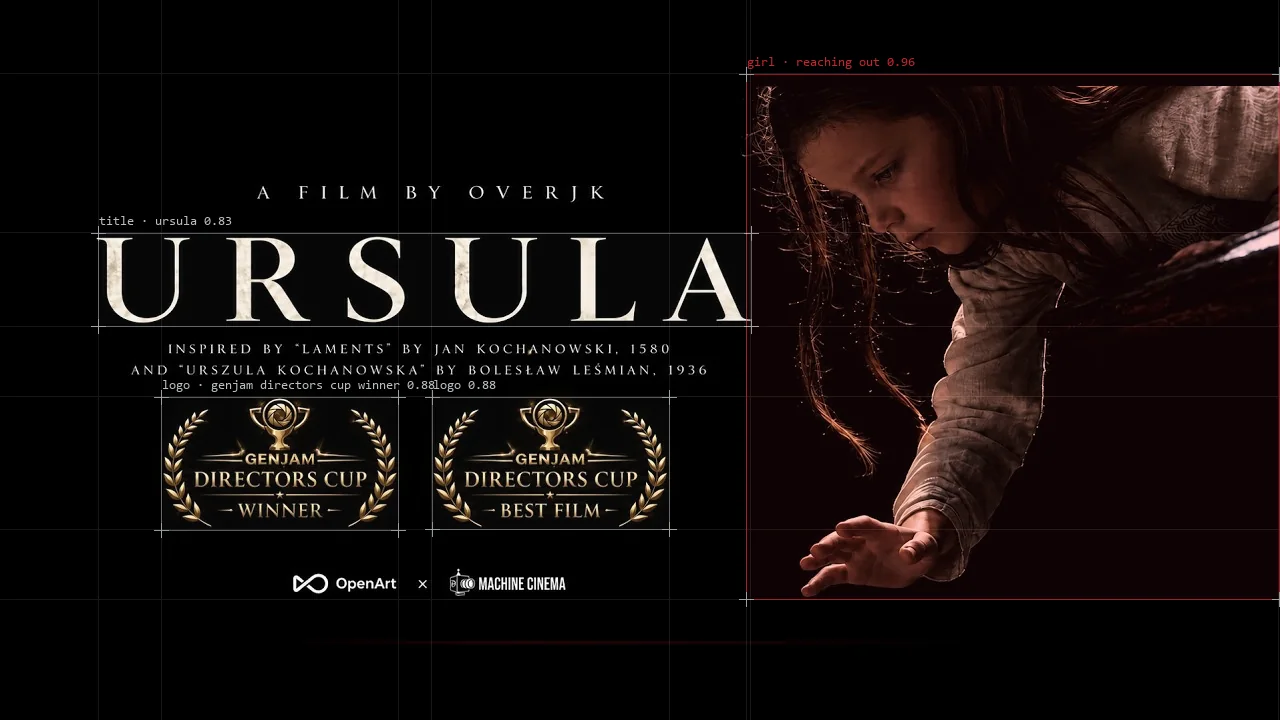
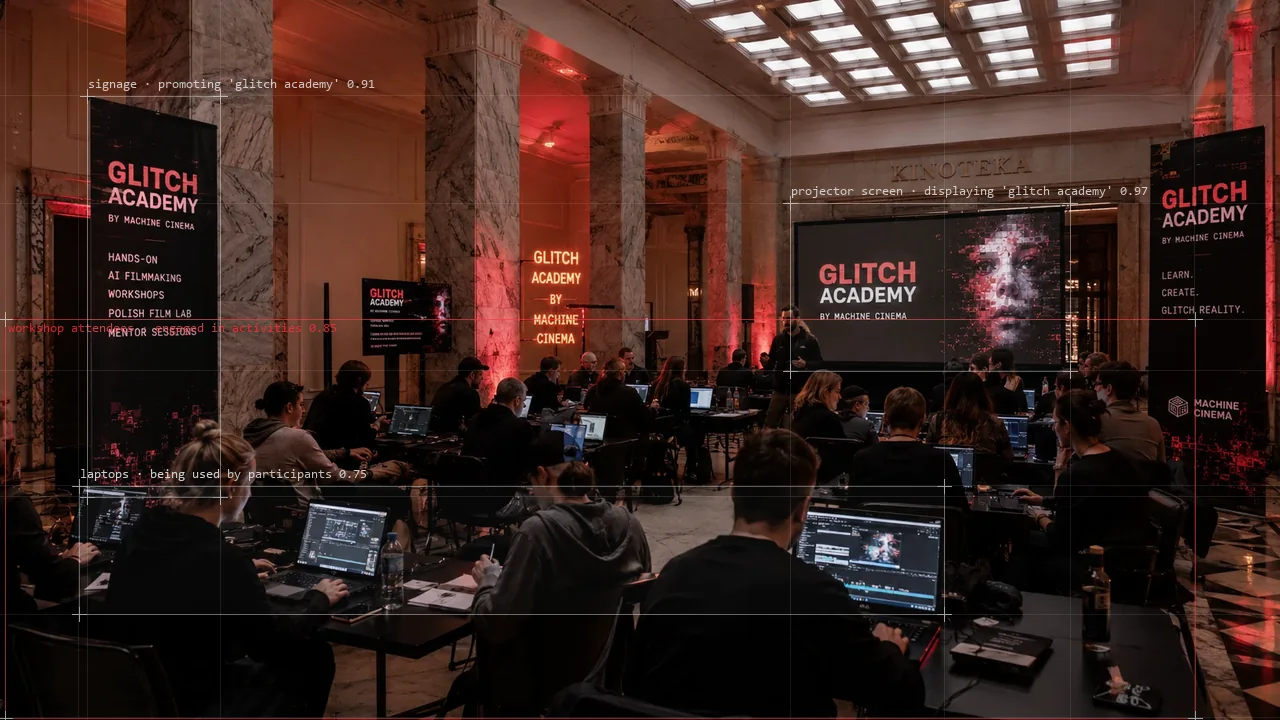
After the final, aboutmarketing.pl published the Warsaw Glitch press release on 17 August: Poland had beaten Indonesia 3:0 and become the first winner of the Director’s Cup, Owerczuk had been named MVP, and his film URSULA, inspired by Jan Kochanowski’s Laments, was the best production of the competition. On 31 August flesz.news ran an extended version, with a separate section on URSULA and an account of the champions’ reception at Warsaw Glitch, attended by Machine Cinema’s Minh Do, Meg Button and Affan Imran. That version, with the headline about Poland as world champion of AI video, is the one polskiemedia.org carried in September.
What the coverage agreed on
Read one after another, the articles tell the same story from different distances: four rounds and four wins against France, Nigeria, the United States and Indonesia, 510 films made over the tournament, a jury of about thirty people from film, music, media and technology, and a Polish team that kept reaching for its own history and literature. For Owerczuk that was the point of bringing the contest to Warsaw:
“We want to bring to Warsaw the energy, collaboration and international character we see at the Director’s Cup. WARSAW GLITCH is meant to be a place where new technologies meet classic film craft, and where creators can not only watch films but also work together, experiment and build new projects.”
Original sources: polskiemedia.org, flesz.news, aboutmarketing.pl, BRIEF and Interia (all in Polish).
Source: polskiemedia.org (opens in a new tab). Facts checked against the source on .