
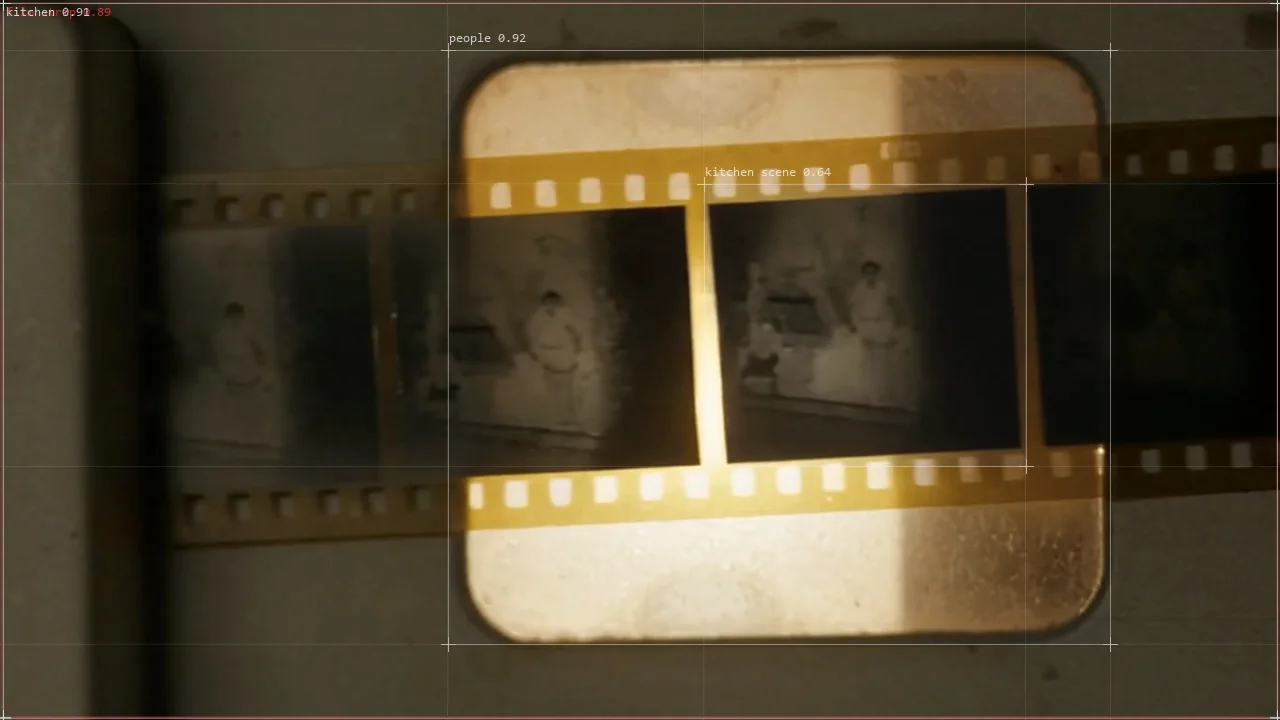
In an essay titled “Cinema Is Not Data”, Michał Owerczuk reflects on the rise of generative artificial intelligence in cinema. Recalling a pivotal scene from the 1997 film Good Will Hunting, he argues that while AI can analyze styles, process vast amounts of data, and generate compelling images, it cannot replace genuine human experience. For Owerczuk, cinema has never been solely about knowledge, but about memory, presence, emotion, and what it feels like to live through something.
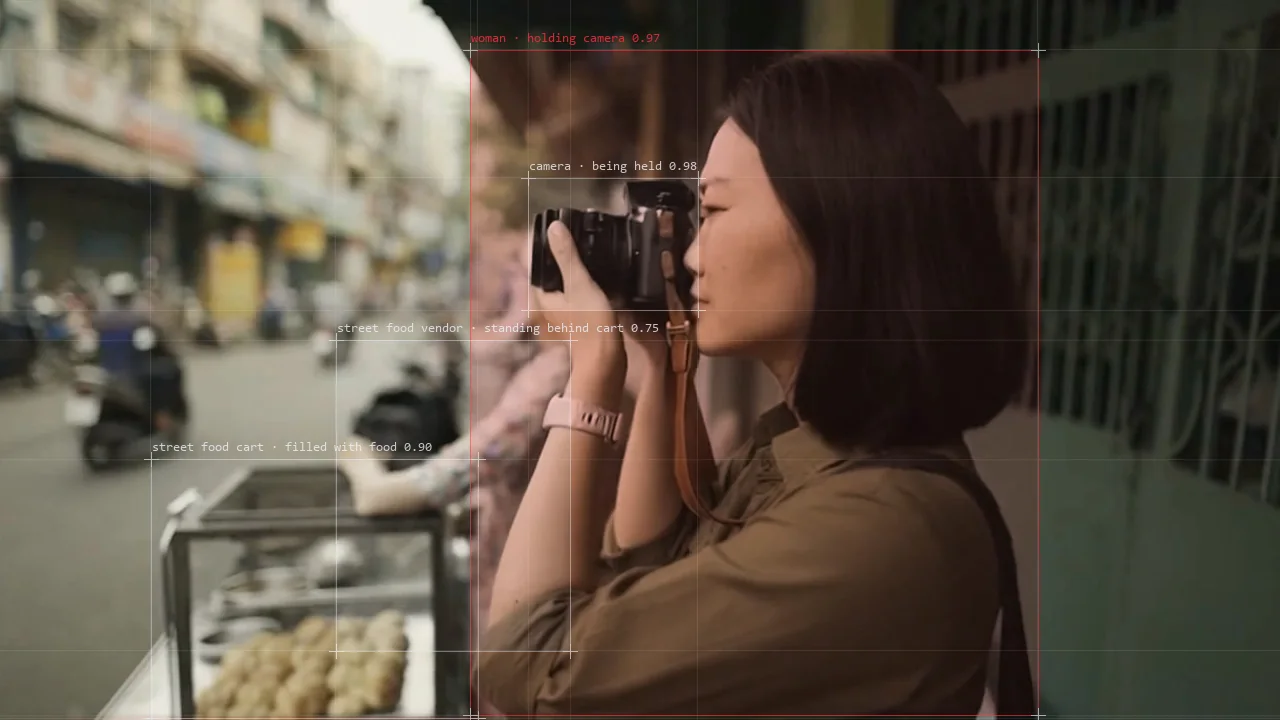
Owerczuk notes that AI does not change the core foundation of storytelling, but rather changes access. Historically restricted by high budgets, equipment, and institutional backing, filmmaking can now be approached with persistence, time, and basic computing power. He recalls starting his own generative experiments with roughly twenty dollars and a graphics card, an effort that gradually grew into larger projects and a proprietary ComfyUI pipeline screened during the Marche du Film at Cannes.
The essay also details his production of Broken Arrow, an AI-generated western inspired by a script competition at Fairground TV and historical research into indigenous communities. Working within early technical constraints, Owerczuk drew visual cues from director Sergio Corbucci and his own travels across the Sonoran Desert. He even used a language model to assemble a simplified hybrid language loosely inspired by Tonkawa linguistic structure to voice the opening camp sequence.
Influenced by his film school mentor, the late Oscar-nominated Polish documentary filmmaker Marcel Łoziński, Owerczuk framed the story through personal perspective and memory. He stresses that despite identical technological tools, individual creators will always produce entirely different art simply because they have lived different lives.
Original source: LinkedIn.
Source: LinkedIn (opens in a new tab). Facts checked against the source on .