
The rules of a GenJam fit in one sentence: a clock, one theme, and at the end a finished short film, screened and judged in front of an audience. That is how the Warsaw Glitch newsroom describes the format when it introduces the live formats on the festival’s hackathons page. GenJam is the flagship of Machine Cinema, a global community of more than 20,000 generative filmmakers founded by Minh Do and Fred Grinstein, which has run more than 200 GenJams in over 30 countries in three years.
The Director’s Cup turned that format into a tournament of national teams. Matches were head-to-head and single elimination: two countries in, one out. Up to the semifinals every match was a four-hour GenJam held online, which anyone could follow live. The final broke the pattern. Poland and Indonesia got the same theme and the same 24 hours, and the finished films premiered at a live viewing party the next day.
The highest-rated film of the final
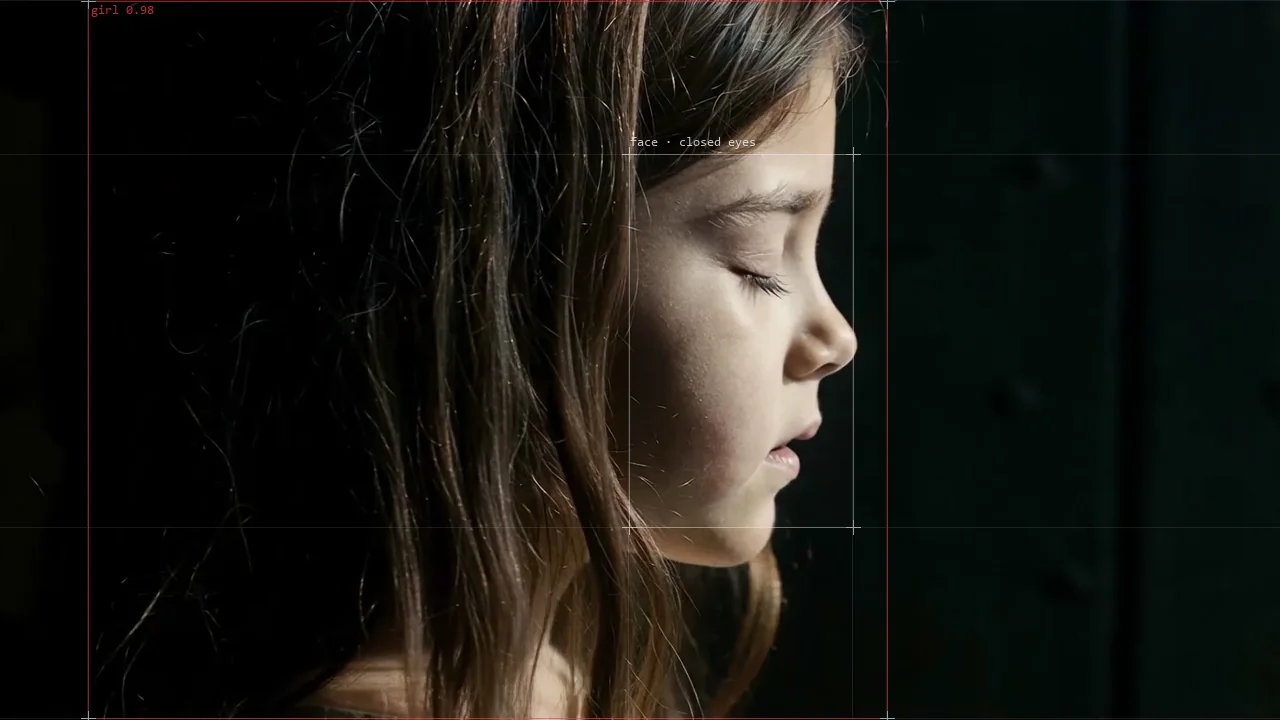
When the judges’ scores came in, Poland had won the final 3:0, and the highest-rated film of the final was URSULA, directed by Michał “OverJK” Owerczuk. Machine Cinema’s tournament hub lists the podium of the final as URSULA first, The Last Unemployed second and SIREN third, all three from Poland. The three winning films of the final shared the cash prizes of 1,000, 800 and 600 US dollars, on top of the production credits handed out in every round.
Owerczuk made URSULA alone, as he had made his films in every earlier round of the tournament:
“I myself competed solo in every round, mainly because I was helping the other teams in parallel, but this result belongs to the whole Polish squad.”
What the judges were looking at
Every film in the cup was scored by the same panel of about thirty directors, artists and builders working with AI storytelling, on five criteria: concept and story, use of AI, visuals, cinematography and editing, and overall impact. A country’s result was the sum of its three best films, which is why the final was decided by depth as much as by a single winner.
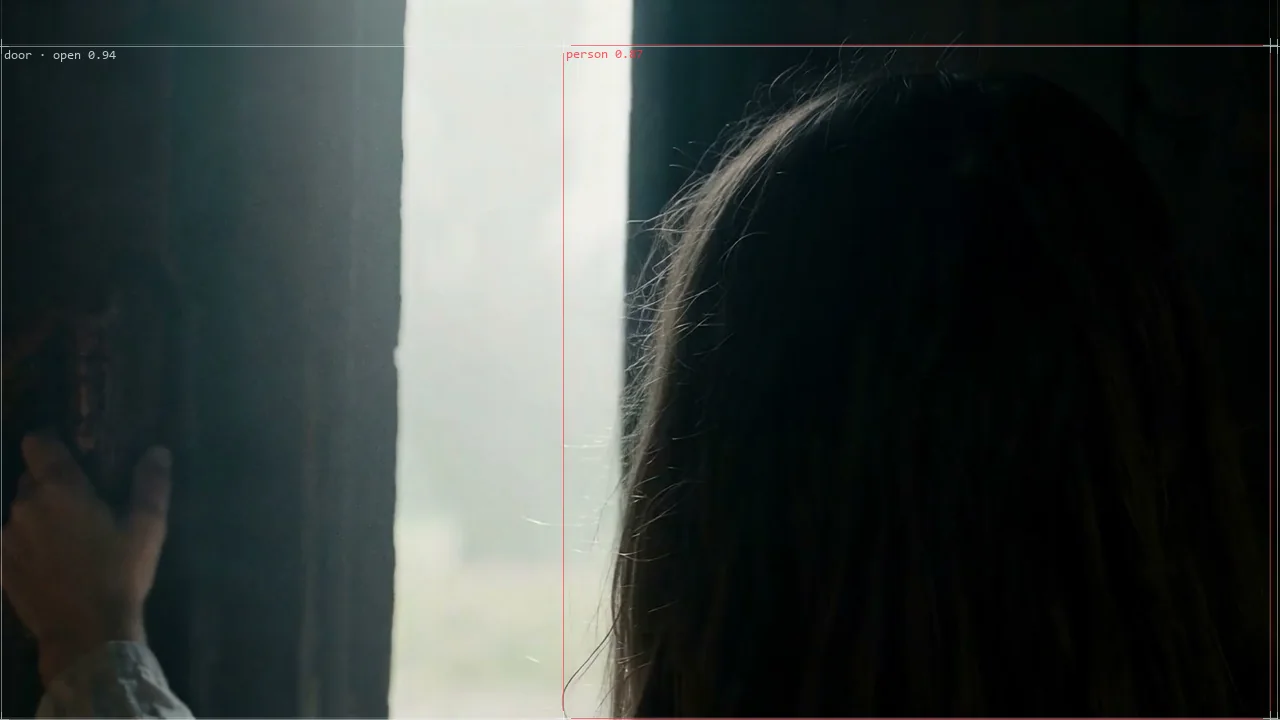
URSULA answered the 24-hour brief with a story from 1580: the death of Jan Kochanowski’s daughter Urszula, as told in his Laments, and Bolesław Leśmian’s 1936 poem in which she returns to the family home. On screen it is a child in a dark wooden house, close-ups of hands and faces, and a door that finally opens onto a summer meadow. In a statement published by BRIEF during the tournament, Owerczuk described the principle behind it: “Technology speeds up part of the process, but it does not replace the idea, the direction and the author’s responsibility.”
The Warsaw Glitch note closes with a link to the film on this site.
Original sources: Warsaw Glitch and Machine Cinema, Director’s Cup hub.
Source: Warsaw Glitch (opens in a new tab). Facts checked against the source on .