
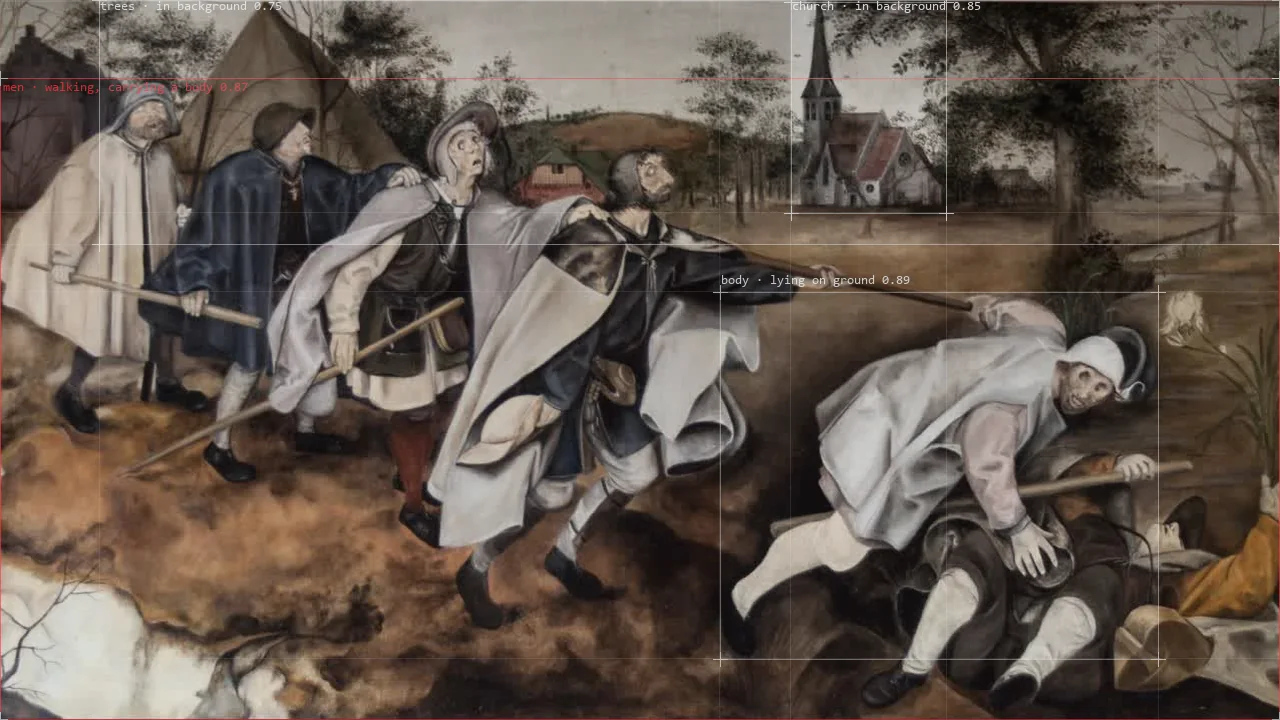
In an essay published on LinkedIn, Michał Owerczuk explores the rapid rise of generative artificial intelligence, drawing an analogy to Pieter Bruegel the Elder’s 1568 painting The Blind Leading the Blind. Rather than figures groping with canes, he describes thousands of faces illuminated by smartphone screens as algorithms dictate the next move.
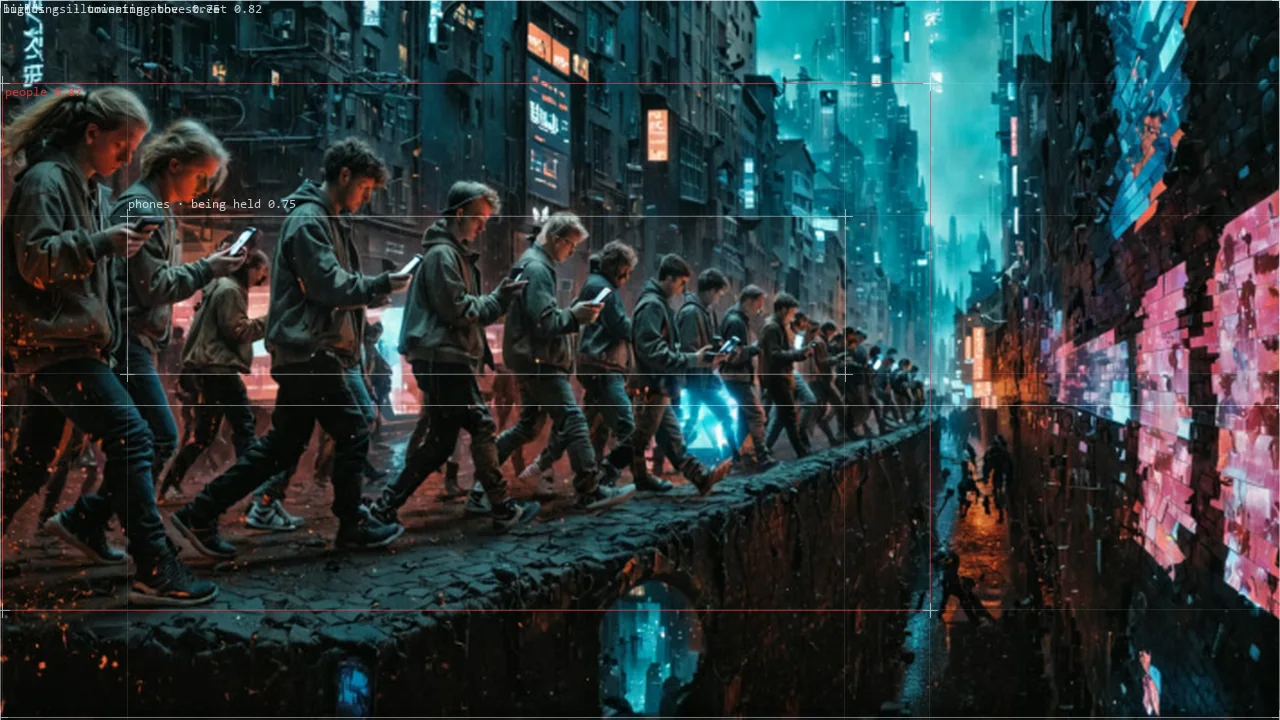
Owerczuk notes that filmmakers, animators, and special effects artists are witnessing a creative renaissance rather than obsolescence, gaining access to tools that turn dreams into pixel-perfect reality. At the same time, he warns that this progress relies on vast reservoirs of user-generated content uploaded to platforms like TikTok and Instagram, transforming individual expressions into training data and prompting critical questions around privacy, consent, and digital commodification.
Highlighting ByteDance’s OmniHuman-1, a generative model capable of fabricating hyper-realistic human likenesses, OverJK observes that influencers and content creators now face synthetic counterparts that never tire. He emphasizes that the digital revolution is not a zero-sum game between humans and machines, urging creators to balance technological adoption with safeguards that preserve genuine human expression.
Original source: LinkedIn.
Source: LinkedIn (opens in a new tab). Facts checked against the source on .