
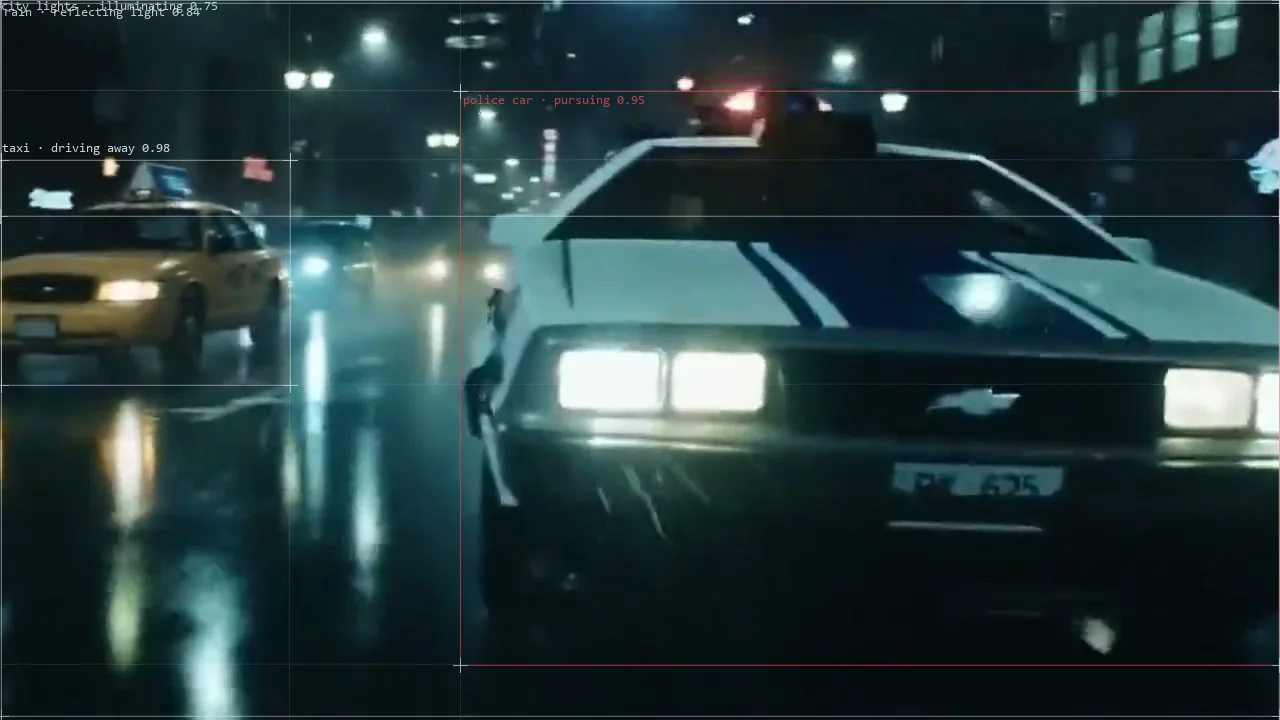
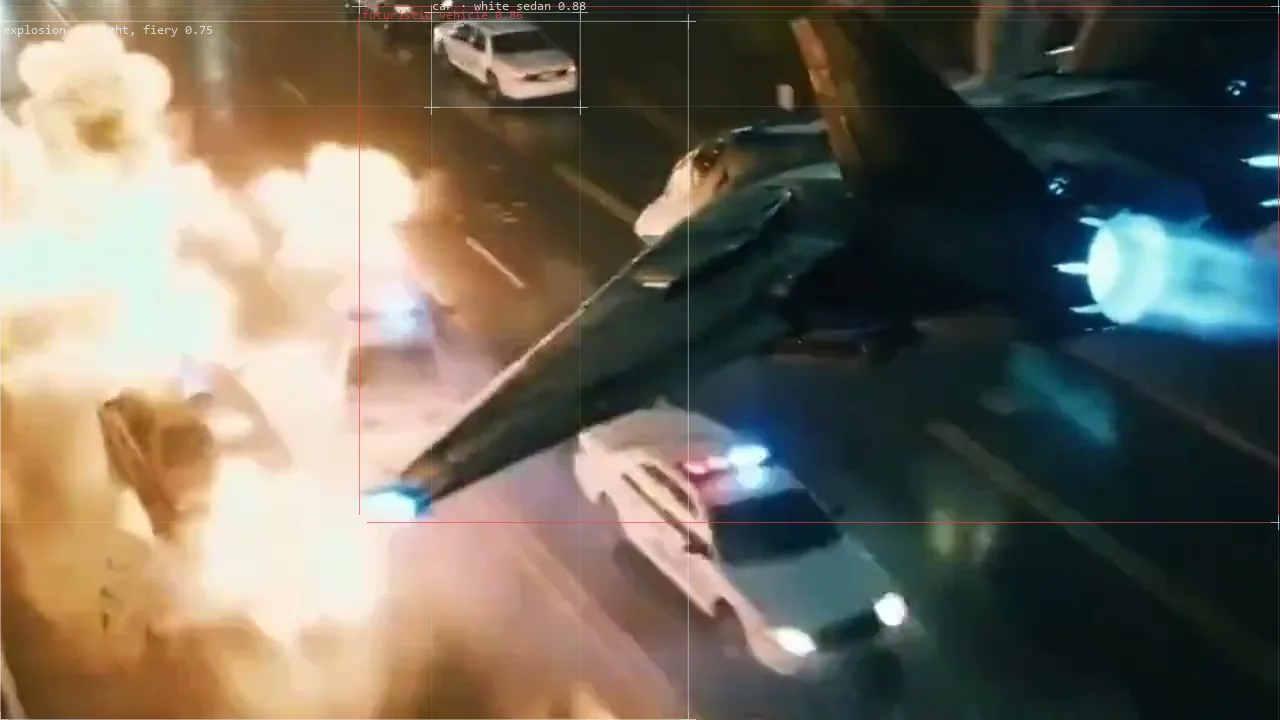
OverJK has published a new generative video stress test utilizing ByteDance’s Seedance 2.0. Built as a two-minute Transformers-inspired cinematic experiment, the unofficial and non-commercial project was designed to measure where generative video actually stands under pressure without relying on visual band-aids or invented genres to hide defects.
The test pipeline traces back to earlier experiments with animated Cyberpunk car anime using SDXL and AnimateDiff. Prior to reaching Seedance 2.0 via Martini nodes, OverJK stress-tested the workflow across several architectures, including OpenAI Sora2, Vidu AI Q Series, Alibaba Group Wan, LTX, and Tencent Hunyuan, with the final piece edited in Adobe Premier (Beta) 26.2.
In his assessment, OverJK noted marked improvements in physics, with mass, inertia, and impact timing reading mechanically rather than elastically. Structural separation during transformations showed substantially less morphing, while metallic responses under dynamic lighting and temporal stability across medium-length action beats proved more coherent. Sound design also advanced with ElevenLabs.
Persistent challenges continue to hold generative pipelines back. OverJK highlighted unstable upscaling, color grading bottlenecks, and timeline drift between 23.97 and 30 fps. Sustained motion in wide shots, geometry drift in long takes, and volumetric flicker in large-scale environments remain unresolved, pointing to scale, stability, and resolution as the key technical frontiers.
Original source: YouTube.
Source: YouTube (opens in a new tab). Facts checked against the source on .